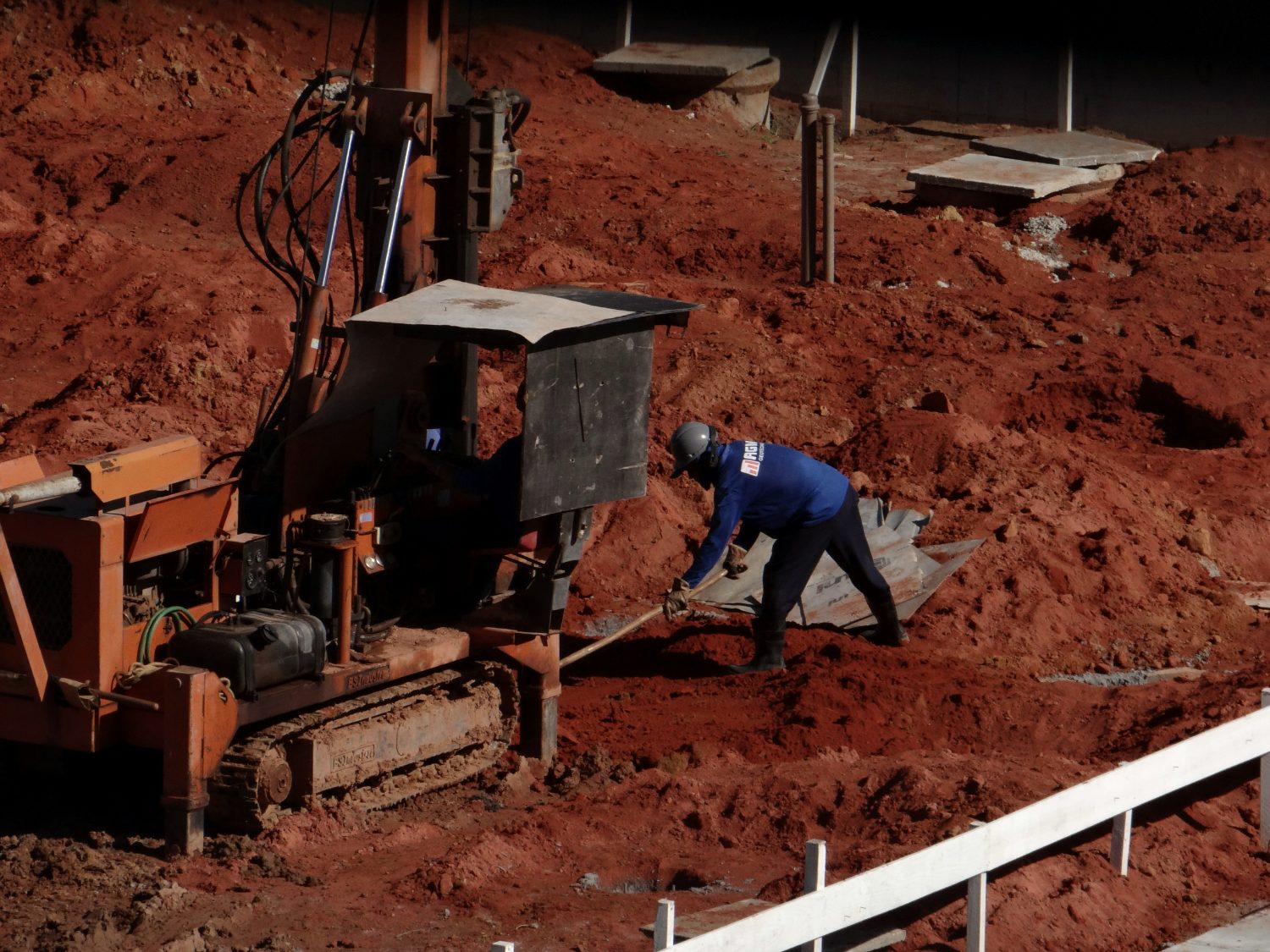
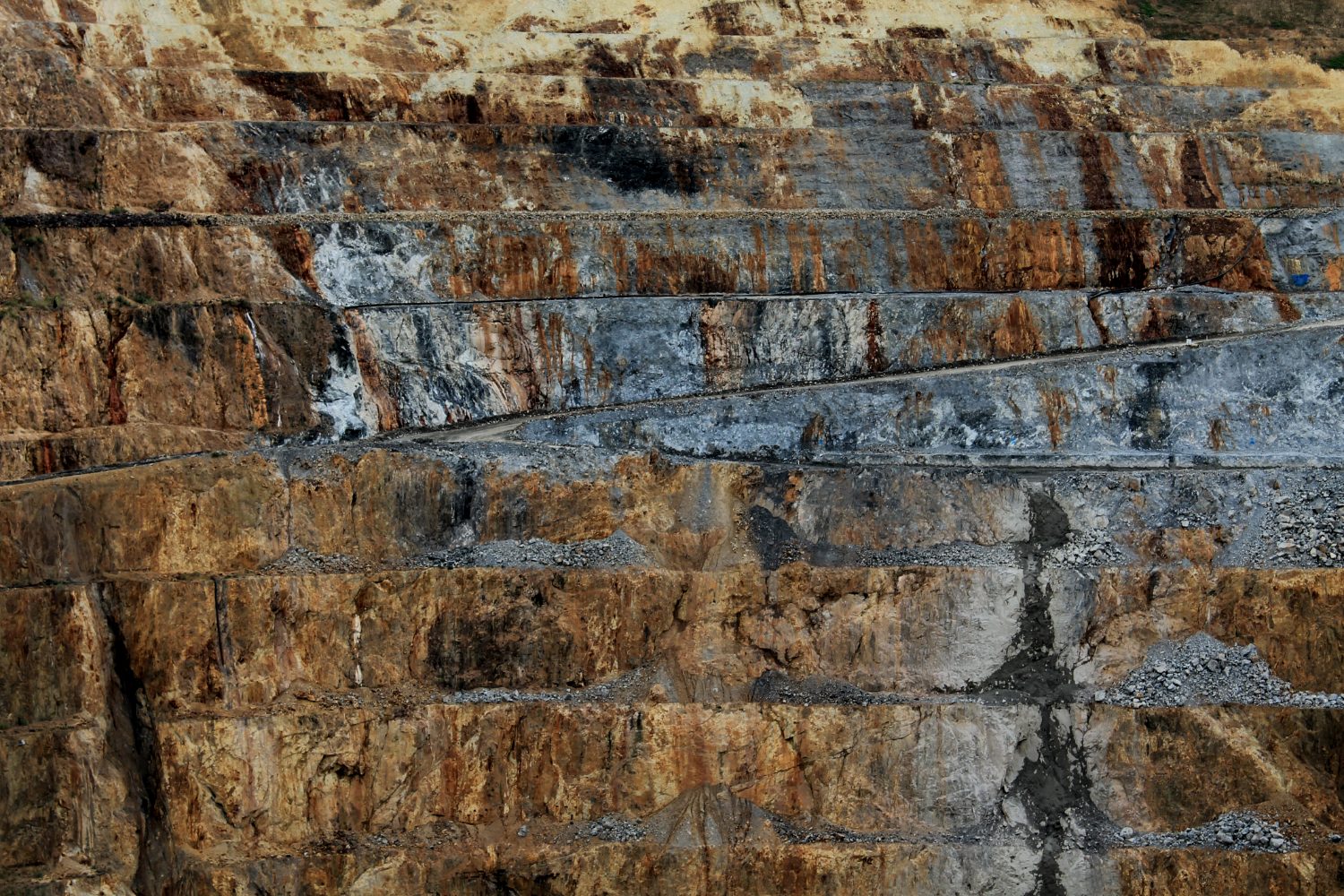
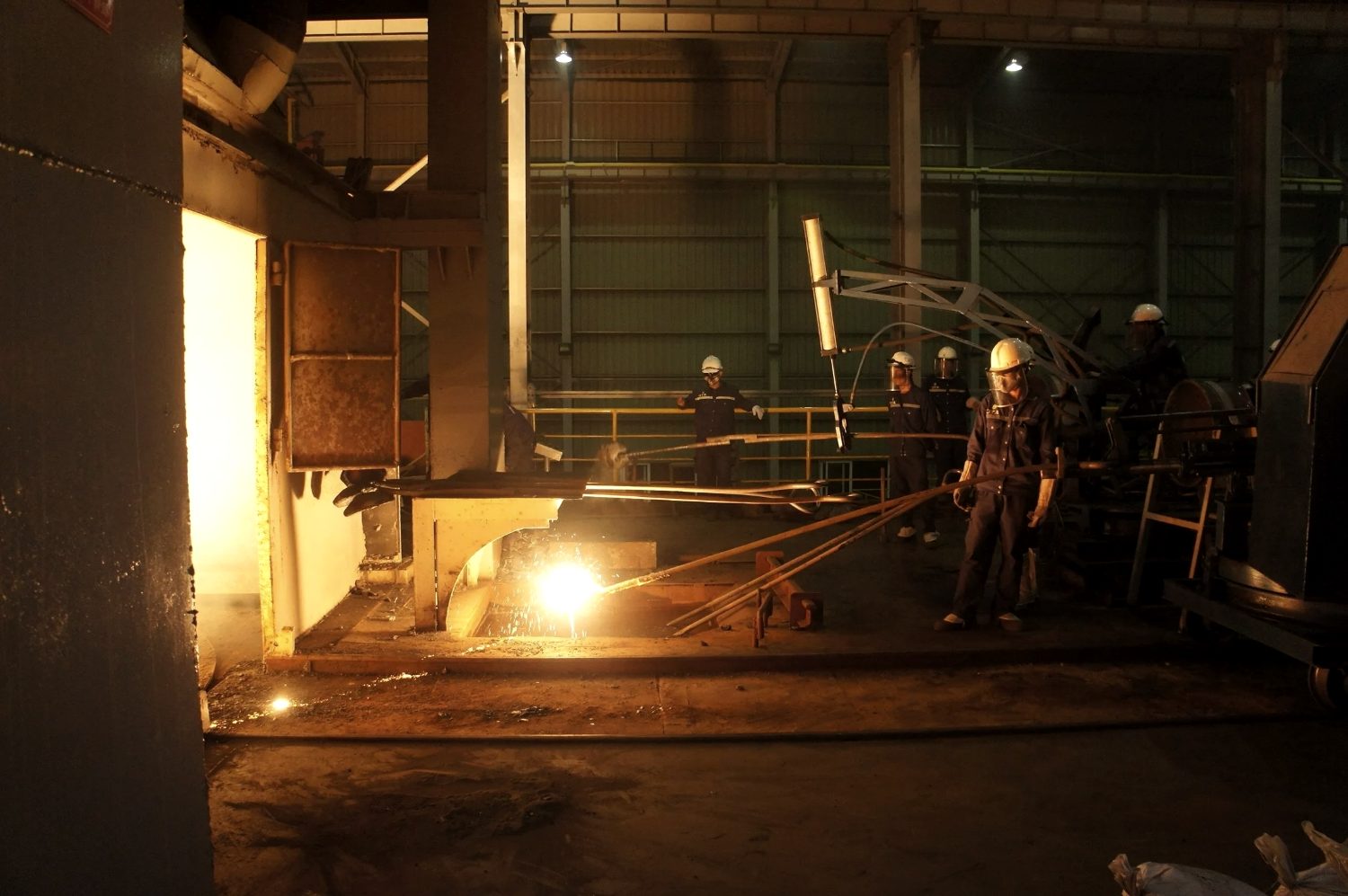
01It starts at a vetted mine.
The passport can only be opened by a mine that already cleared onboarding. Origin is captured at the pit — not reconstructed at the export shed.
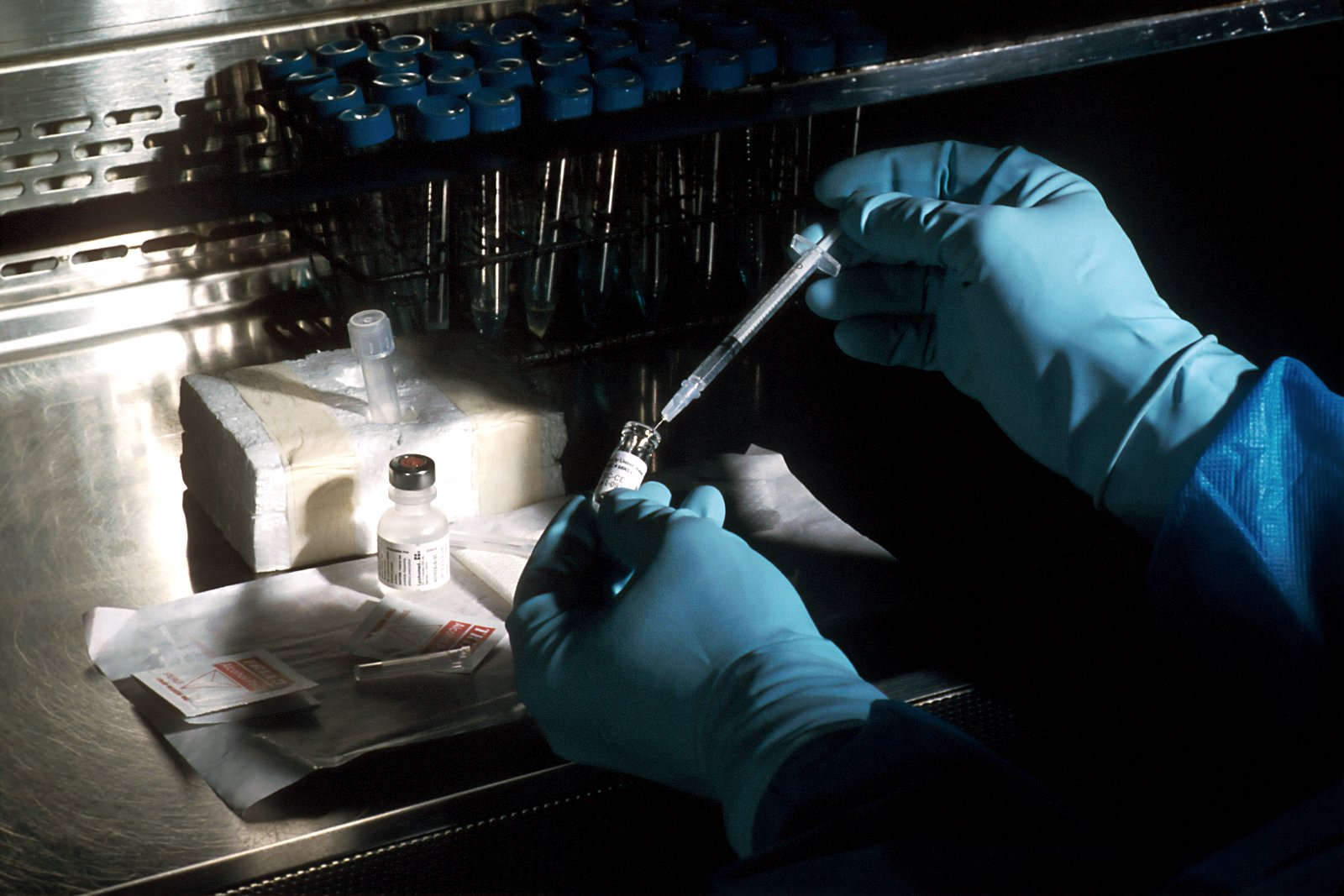
02Quality is claimed, then tracked.
A production assay opens a running quality record — later challenged by the buyer's own lab at discharge, and an umpire lab if they disagree.
03Every handover is reconciled.
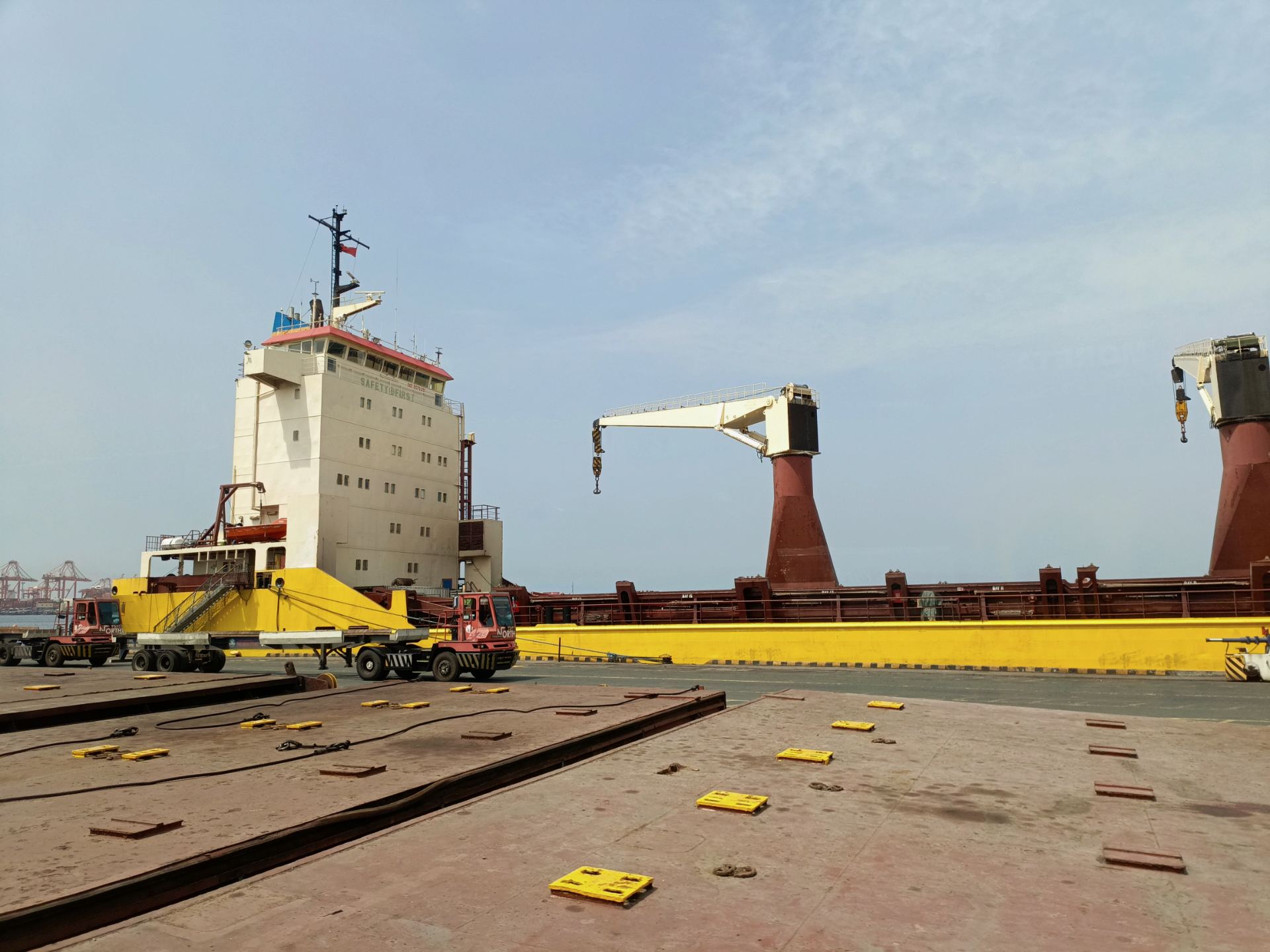
At export, weight and piece count are checked against the manifest. A mismatch isn't hidden — it surfaces as a flag on the passport.
04Identifiers travel with the material.
Seals, tags and container numbers recorded at one event must match the next. The chain is only as strong as its continuity — so we check it.
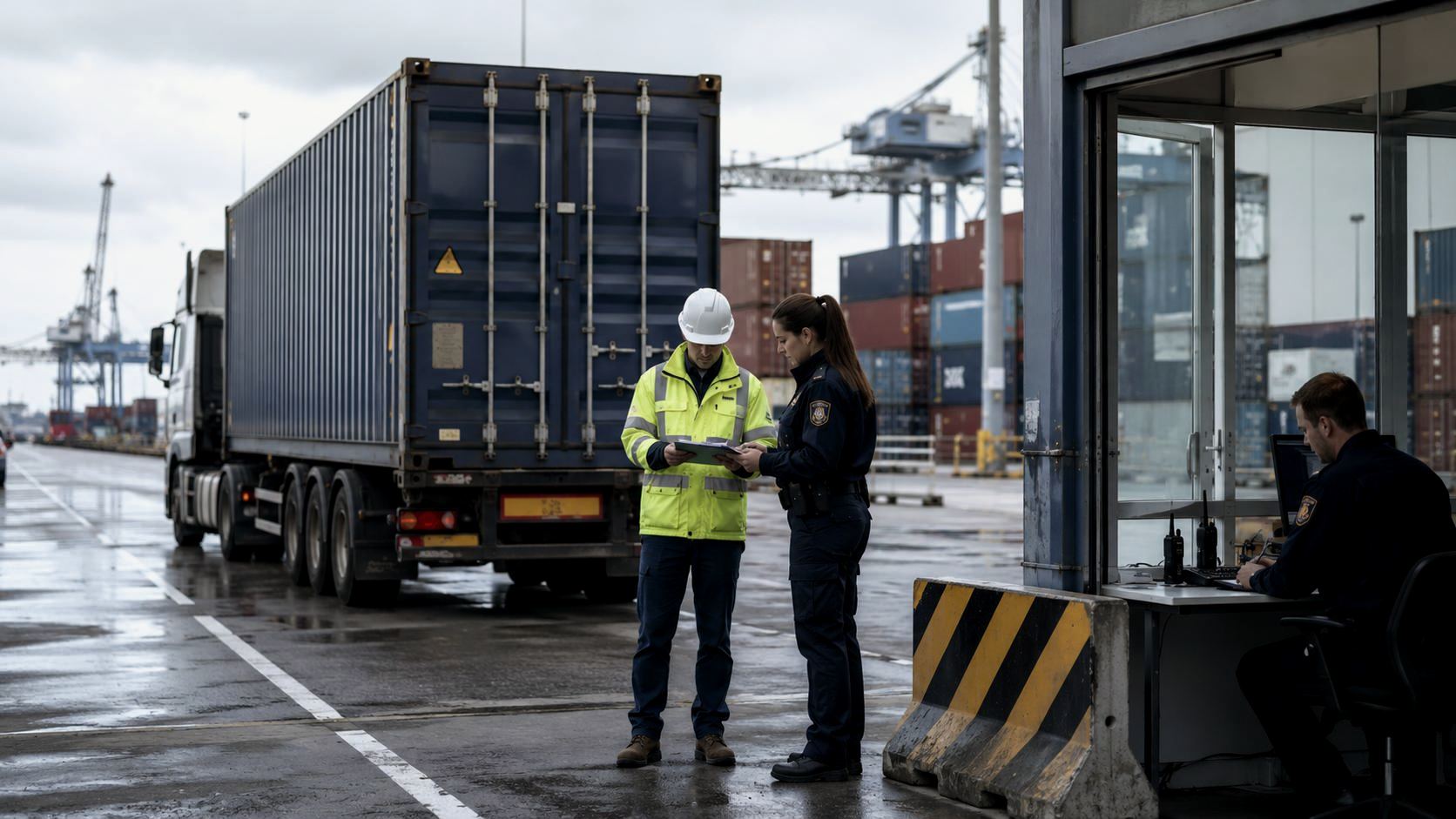
05Europe's checks, built in.
At the border, importer and commodity codes are validated against live EU registries — the evidence a buyer needs for their own due diligence.
06The buyer verifies for themselves.
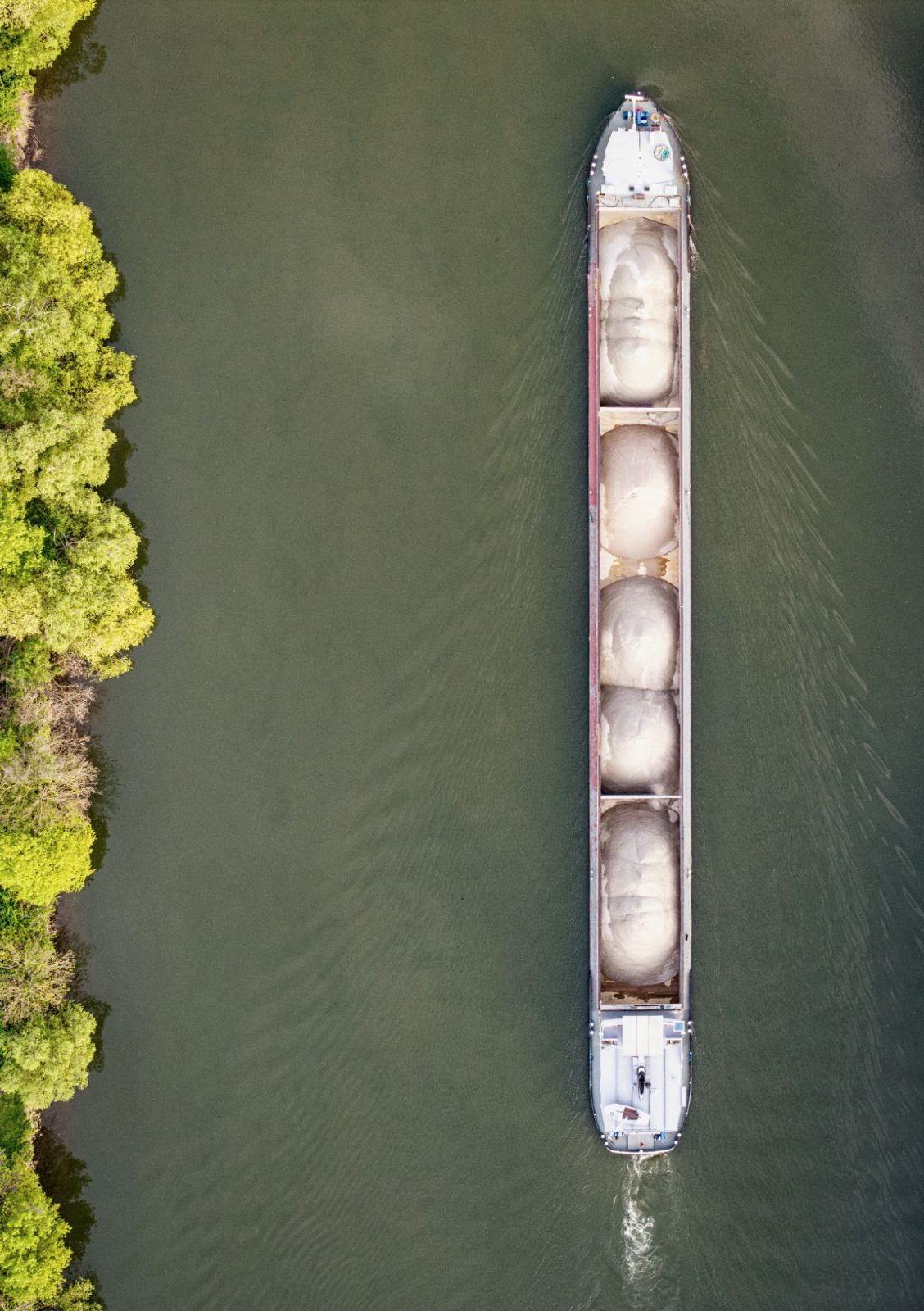
At Rotterdam, the buyer's lab confirms the grade. Because every claim is on the record, a dispute has a clear, neutral path to resolution.
07What's left is an evidence pack.
When the smelter consumes the lot, the passport retires — leaving a full, tamper-evident trail an auditor, buyer or bank can rely on.